The ninth CIIE ran at the National Exhibition and Convention Center in Shanghai from Nov. 5 to 10.The School of Foreign Languages (SFL) of Jiangxi University of Finance and Economics (JUFE) used the event to move its project-based teaching and industry-based classes onto the expo floor. The step follows the plan set out at the university’s conference on building a high-quality education system, and the “Ten Actions to Improve the Quality of Home-Grown Undergraduate Talent Training (2025-2035),” which calls for stronger practice, stronger AI support and full integration of industry and education.Students from the livestream studio of Tongtu, the school’s university-enterprise training platform, worked at the expo under its Pacific Alpaca cooperation project. They learned through a real sales project and sharpened their skills in an international trade setting, turning a national platform for opening-up into an advanced classroom for undergraduates and putting the school’s “foreign language plus” strategy into practice.
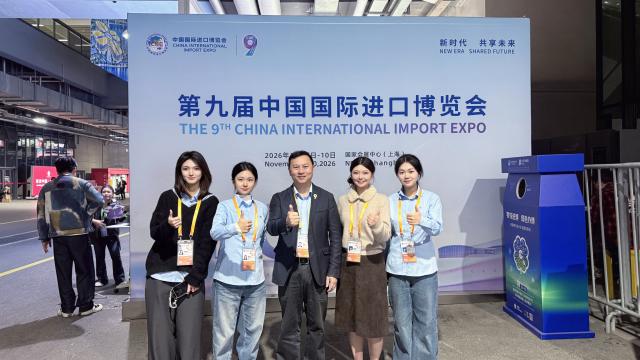
Facing the rise of digital trade and the building of the “new liberal arts,” the school has in recent years pushed its “foreign language plus” strategy. It has rebuilt its courses around “language + industry + technology,” keeping business English and cross-cultural communication at the core and adding digital AI skills with finance knowledge. The key to this change is not talking inside the classroom, but sending students into real industry settings. The CIIE, a global platform for trade and opening-up, offers exactly that: from displaying goods to cross-border bargaining, from online livestream warm-ups to deals at the booth, every step pushes students from “thinking in pure language” to “thinking in business language.”
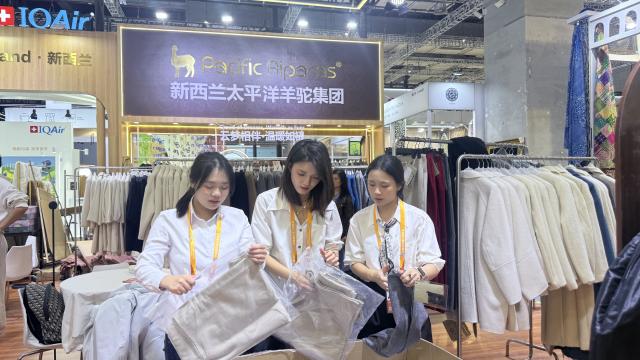
Real projects became the course, and the booth became the classroom. Business English majors formed the team, with their teachers on site to guide them. The move puts into practice the school’s revised talent cultivation plan, which cuts credits, adds practice and builds projects. Using what they had learned in earlier cross-border livestream training, the students took on the whole business chain on their own: sorting and displaying products, spotting customer needs and receiving visitors, promoting products and bargaining, recording buyer interest and following up orders, and handling cross-border payment and after-sales tracking. In the fast-moving real setting, the team made more than 165,000 yuan in sales and connected with many potential buyers from home and abroad, turning “project-based learning” from a written plan into real orders. The core of this method is to break a company’s real orders into teaching tasks, so that students build their skills in the loop of taking an order, carrying it out and delivering it.
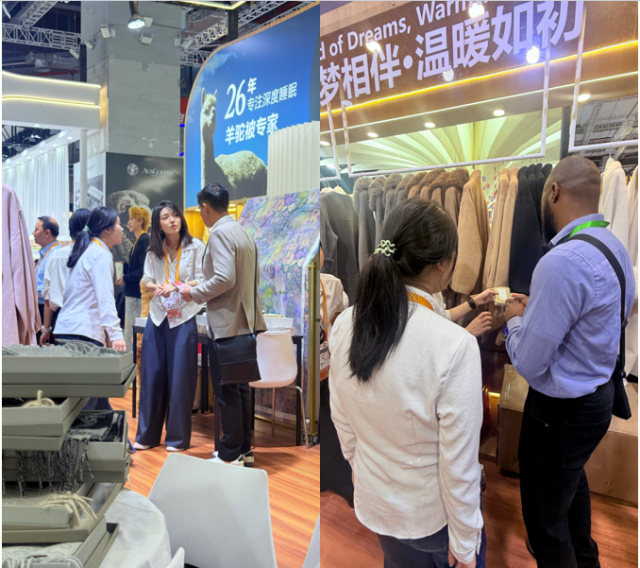
Industry became the teacher, and language skills grew inside the business. Facing changing crowds, mixed customer groups and talks across countries that happen on the spot, the students turned classroom grammar into business talk and cross-cultural knowledge into the ability to close a deal. When foreign buyers stopped at the booth, they spoke up first, explained in clear steps and adapted quickly. Rotating through reception, translation, promotion and checkout, they came to see that a language graduate is not a bystander but a connector of industry. This is the school’s shift from being driven by subject knowledge alone to being driven by both academic and industry logic. The value of language, in this view, is no longer measured by grade certificates, but by how well communication turns into deals.
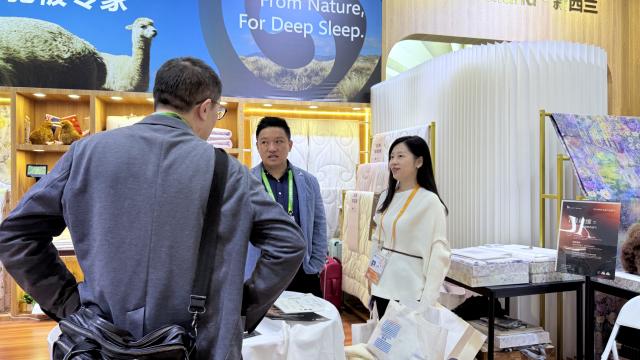
Joint cultivation was the key, and students built skills both online and offline.Theexhibitor praised the team as “hard-working and professional, with a good sense of business,” saying the students helped it open markets, build its brand and link resources. The school will integrate the CIIE into Tongtu’s regular real-world teaching program, and keep linking real company projects to courses, industry standards to assessment and workplace mentors to classrooms. With an eye on both online communication and offline business skills, it aims tocultivate T-shaped Talents with foreign languages, digital and AI skills and finance knowledge, so that foreign language studies can find its main field — serving the open economy — in the push to reconnect with industry. The expo has closed, but the teaching goes on. Using this experience as a starting point, the school will keep turning national opening-up platforms into advanced undergraduate classrooms, building courses in the real world and training young people at the front line of industry, and will add its own part to the university’s effort to build a high-quality education system that stands on its own and aims high. (Translated by Ma yayu, Zuo Yaru and Yangjinjing )
|


